
The psychopomp is an archetype that appears in various mythologies and cultural traditions around the world. The term “psychopomp” comes from the Greek words “psyche,” meaning “soul,” and “pompe,” meaning “guide.” The psychopomp is a figure that serves as a guide or escort for the soul of the deceased to the afterlife.
In many traditions, the psychopomp is depicted as a messenger or messenger of the gods, and is often associated with death and the transition from life to death. In some cultures, the psychopomp is seen as a helpful and benevolent figure, while in others it is depicted as a malevolent or fearsome being.
The psychopomp is often depicted as a spirit or supernatural being, such as an angel or demon, but it can also take the form of an animal or other mythical creature. In some traditions, the psychopomp is associated with the liminal spaces between worlds, such as crossroads or thresholds, and is believed to have the power to guide the souls of the deceased through these spaces and into the afterlife.
The psychopomp archetype is closely related to other archetypes such as the trickster, the shaman, and the guide, and is often seen as a symbol of transformation and the passage from one state of being to another.
Psychopomps are figures in various ancient religions who are responsible for guiding the souls of the deceased to the afterlife. Here is a summary of some of the psychopomps from various ancient religions:
- In ancient Egyptian religion, the psychopomp was Anubis, the god of mummification and the dead. Anubis was often depicted as a jackal-headed figure and was responsible for weighing the hearts of the deceased against a feather to determine their worthiness to enter the afterlife.
- In ancient Greek religion, the psychopomp was Hermes, the messenger of the gods. Hermes was responsible for escorting the souls of the dead to the underworld and was often depicted carrying a staff called a kerykeion, which was a symbol of his role as a guide.
- In ancient Norse mythology, the psychopomp was the Valkyries, female figures who were responsible for choosing which warriors would be taken to Valhalla after they died in battle.
- In ancient Roman religion, the psychopomp was Mercury, the messenger of the gods. Mercury was responsible for guiding the souls of the dead to the underworld and was often depicted carrying a staff called a caduceus, which was a symbol of his role as a guide.
- In ancient Celtic religion, the psychopomp was the Cailleach, a goddess of death and rebirth. The Cailleach was responsible for guiding the souls of the deceased to the otherworld and was often depicted as a hag or crone.
- In ancient Chinese religion, the psychopomp was the Jade Emperor, the ruler of the afterlife. The Jade Emperor was responsible for judging the souls of the dead and determining their place in the afterlife.
These are just a few examples of psychopomps from ancient religions. There are many other figures in various cultures who fulfill similar roles as psychopomps.
Anubis
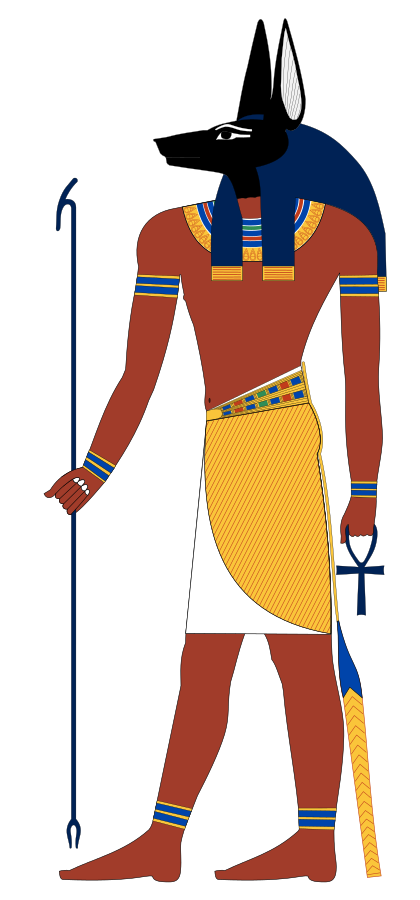 Anubis is an ancient Egyptian deity associated with the process of death and the journey of the soul into the afterlife. He is often depicted as a jackal-headed figure, and is revered as the patron god of embalmers and funerary rites. In this role, Anubis serves as a psychopomp, guiding the souls of the deceased to the underworld and helping them navigate the dangerous journey to their final resting place.
As the god of funerary rites, Anubis played a central role in the ancient Egyptian funerary process. It was believed that upon death, the soul of the deceased would be weighed against the feather of Ma’at, the goddess of truth and justice. If the soul was found to be pure, it would be allowed to pass into the afterlife; if not, it would be devoured by the demon Ammit. Anubis, as the guardian of the scales, played a crucial role in this process, ensuring that the soul was judged fairly and assisting in its journey to the underworld.
In addition to his role as a psychopomp, Anubis was also associated with the mummification process. In ancient Egyptian culture, mummification was seen as a way to preserve the body and protect the soul in the afterlife. Anubis was responsible for overseeing the mummification process and ensuring that the body was prepared correctly for its journey to the underworld.
As a psychopomp, Anubis was often depicted as a guide or protector for the deceased, helping them navigate the treacherous path to the afterlife. In this role, he was often depicted holding the Ankh, a symbol of life and eternal existence. He was also sometimes depicted holding the sceptre, a symbol of power and authority.
In modern times, Anubis continues to be revered as a powerful deity, and his role as a psychopomp remains an important aspect of his mythology. Despite the passage of time, the ancient Egyptian belief in the journey of the soul to the afterlife remains a powerful and enduring concept, and Anubis continues to be seen as a guide and protector for the deceased as they make their way to their final resting place.
Hermes
Hermes, the Greek god of commerce, thieves, and travellers, is also known as the psychopomp, a term that refers to a guide of souls. In Greek mythology, Hermes was believed to be responsible for escorting the souls of the deceased to the underworld. This role made him a crucial figure in the ancient Greek religion and culture, as it was believed that the proper guidance of the soul was necessary for a peaceful afterlife.
As the psychopomp, Hermes was often depicted holding a staff called a caduceus, which was a symbol of his role as a messenger between the mortal world and the underworld. He was also associated with the concept of threshold, as it was believed that he had the power to move freely between the mortal world and the realm of the dead.
In addition to his role as the psychopomp, Hermes was also known for his wit and cunning. He was a master of trickery and was often depicted as a mischievous figure who liked to play pranks on the other gods. His association with thieves and commerce also reflected his shrewd and cunning nature.
One of the most famous stories about Hermes as the psychopomp involves his role in the myth of Orpheus and Eurydice. According to the myth, Orpheus, a great musician, descended into the underworld to retrieve his beloved Eurydice, who had died from a snake bite. Hermes, as the psychopomp, helped Orpheus navigate the dangers of the underworld and ultimately brought him and Eurydice back to the mortal world.
In conclusion, Hermes, the Greek god of commerce, thieves, and travelers, played a crucial role in ancient Greek religion and culture as the psychopomp, a guide of souls to the underworld. His wit and cunning, along with his association with threshold, made him a powerful and revered figure in Greek mythology.
The Valkyries
In Norse mythology, the Valkyries were female deities who were responsible for choosing which warriors would die in battle and which would live. They were also known as psychopomps, guides of souls who escorted the spirits of the deceased to the afterlife.
The Valkyries were associated with Odin, the chief god of the Norse pantheon, and were said to serve him by selecting the bravest and most honourable warriors to join him in Valhalla, the hall of the slain. According to Norse mythology, Valhalla was a great hall located in Asgard, the home of the gods, where the souls of those who had died in battle were brought to feast and prepare for the final battle of Ragnarok.
The Valkyries were often depicted as beautiful and powerful women, riding on horseback and carrying a spear or a sword. They were also associated with the concept of threshold, as they were believed to have the power to move freely between the mortal world and the realm of the dead.
One of the most famous stories involving the Valkyries as psychopomps is the legend of the Battle of Clontarf, which took place in Ireland in 1014. According to the legend, the Valkyries descended from the skies to collect the souls of the brave warriors who had died in the battle and bring them to Valhalla.
In conclusion, the Valkyries, female deities in Norse mythology, were known as psychopomps, guides of souls who escorted the spirits of the deceased to the afterlife. They were associated with Odin and were responsible for choosing which warriors would join him in Valhalla. The Valkyries were revered for their beauty, power, and association with threshold, and their role as psychopomps played a crucial role in Norse religion and culture.
Mercury
Mercury, also known as Hermes in Greek mythology, is often depicted as a psychopomp, a guide of souls to the underworld. In ancient cultures, psychopomps were thought to be responsible for escorting the souls of the deceased to the afterlife, and were often associated with communication, travel, and commerce. Mercury, as the messenger of the gods, is a fitting embodiment of the psychopomp, as he is known for his swift and agile movements, his ability to travel between the mortal and divine realms, and his role as a mediator between humans and the gods.
As a psychopomp, Mercury is often depicted as a messenger, carrying messages and instructions between the gods and mortals. In this role, he is seen as a bringer of knowledge and enlightenment, helping to guide individuals on their journey through life. He is also known for his trickster-like qualities, and is often depicted as mischievous and cunning. This duality of being both a guide and a trickster reflects the complex nature of the psychopomp, who is able to navigate the shadowy realm of the underworld and guide souls to the afterlife while also being able to deceive and mislead.
In addition to his role as a psychopomp, Mercury is also associated with commerce and trade. He is the patron deity of merchants and thieves, and is often depicted holding a caduceus, a staff with two snakes entwined around it. This symbol is associated with healing and resurrection, further reinforcing Mercury’s role as a guide of souls.
Overall, Mercury’s role as a psychopomp reflects the importance of communication, guidance, and enlightenment in the journey through life and death. His ability to move between the mortal and divine realms and his association with trade and commerce highlight the interconnectedness of all things, and the role that communication and understanding play in bringing people together.
Cailleach
In Celtic mythology, the Cailleach is a figure known as the “veiled one” or the “hag of winter.” She is often depicted as a crone or old woman, and is associated with the harshness of winter and the passing of time. Despite her often fearsome appearance, the Cailleach is also revered as a powerful psychopomp, guiding the souls of the deceased to the Otherworld.
As a psychopomp, the Cailleach is often associated with the passage of time and the cycle of death and rebirth. In this role, she is seen as a guide and protector of the dead, helping to lead souls to the next stage of their journey. She is also often associated with the natural world, and is believed to have the power to shape the land and control the elements. This connection to the natural world further reinforces her role as a psychopomp, as she is able to navigate the unseen realm of the afterlife and guide souls on their journey.
Despite her role as a psychopomp, the Cailleach is also feared by many due to her association with death and the harshness of winter. In some tales, she is depicted as a destructive force, bringing about natural disasters and causing suffering to those who cross her. This duality reflects the complex nature of the psychopomp, who is able to guide souls to the next life while also being able to bring about destruction and suffering in the mortal realm.
Overall, the Cailleach’s role as a psychopomp reflects the cyclical nature of life and death, and the importance of guiding and protecting the souls of the deceased on their journey to the Otherworld. Her connection to the natural world and her ability to shape the land further emphasize the interconnectedness of all things and the role that the psychopomp plays in guiding souls through the cycle of death and rebirth.
The Jade Emperor
The Jade Emperor, also known as the Celestial Emperor or the Pure August Jade Emperor, is a deity found in Chinese mythology and religion. In many traditions, the Jade Emperor is seen as the supreme ruler of heaven and earth, and is often depicted as a wise and just ruler who dispenses justice and wisdom to all.
However, the Jade Emperor is also often depicted as a psychopomp, a figure who helps guide the souls of the deceased to the afterlife. In this role, the Jade Emperor is seen as a mediator between the living and the dead, helping to guide the souls of the deceased on their journey to the afterlife.
The concept of the psychopomp is found in many different cultures and traditions, and the Jade Emperor’s role as a psychopomp is just one example of this. In many traditions, the psychopomp is seen as a guide or protector for the soul as it makes its way through the underworld or other realms of the afterlife. The psychopomp is often depicted as a figure of great power and authority, able to navigate the complex and often treacherous pathways of the afterlife with ease.
The Jade Emperor’s role as a psychopomp is closely tied to the belief in reincarnation and the cycle of death and rebirth. In Chinese mythology, it is believed that the soul of the deceased must pass through a series of tests and trials in order to be reborn into a new life. The Jade Emperor is seen as the one who oversees this process, helping to guide the souls of the deceased through the various stages of reincarnation.
The Jade Emperor’s role as a psychopomp is an important one, as it helps to ensure that the souls of the deceased are able to find their way to the afterlife and begin their journey towards a new life. In many traditions, the psychopomp is seen as a comforting and supportive figure, offering guidance and support to those who are struggling to come to terms with death and the passage to the afterlife.
Overall, the Jade Emperor is a powerful and influential figure in Chinese mythology and religion, and his role as a psychopomp serves as an important reminder of the cycle of life and the importance of finding one’s way in the afterlife.
The Grim Reaper
The Grim Reaper is a figure that is commonly associated with death and the end of life. The image of the Grim Reaper is typically depicted as a hooded figure, often in a black cloak, carrying a scythe. The scythe is often used as a symbol of the Grim Reaper’s role as a collector of souls, as it is a tool that was traditionally used to reap or cut down crops at harvest time. This connects the symbolism to Saturn.
It is not uncommon for people to associate Saturn with death or the Grim Reaper because of its astrological symbolism. In astrology, Saturn is often associated with restriction, discipline, and boundaries. It is also associated with the passage of time and the idea of aging and mortality.
In ancient Roman mythology, Saturn was the god of agriculture and abundance, but he was also associated with the passage of time and the idea of death and rebirth. In this sense, Saturn could be seen as a metaphor for the cycle of life and death.
It is worth noting, however, that astrological symbols and meanings are open to interpretation and can vary from person to person. While some people may associate Saturn with death and the Grim Reaper, others may see it as a symbol of strength, determination, and resilience.
In many cultures, the Grim Reaper is seen as a neutral figure, simply carrying out the natural cycle of life and death. However, in some cases, the Grim Reaper is depicted as a malevolent figure, representing the fear and unknown that can come with death. In these cases, the Grim Reaper may be seen as a symbol of death and the end of life, rather than a neutral figure simply carrying out a natural process.
The Grim Reaper is often used as a symbol in literature, art, and popular culture, and has become a well-known figure in many societies around the world. It is often used as a metaphor for death or the end of something, and is often depicted in a way that is meant to be ominous or foreboding. Despite this, the Grim Reaper is also sometimes seen as a comforting figure, representing the idea that death is a natural and inevitable part of life, and that it is something that we all must face eventually.
Charon The Ferryman

Note: Cerberus in lower right.
Charon is a figure from Greek mythology who serves as the ferryman of the underworld. He is often depicted as an old man with a hooded cloak, carrying a staff and a lantern to guide the souls of the deceased across the River Styx to the land of the dead.
In many ancient cultures, the concept of a psychopomp, or “guide of souls,” was believed to be necessary in order for the deceased to navigate the journey from the mortal world to the afterlife. The psychopomp was thought to be a messenger or guide who assisted the soul in its journey, helping it to cross over into the spiritual realm.
Charon is perhaps the most well-known psychopomp in Greek mythology, and his role in the underworld was central to the beliefs of ancient Greeks. According to myth, Charon would ferry the souls of the deceased across the River Styx, which was believed to be the boundary between the mortal world and the land of the dead. In order to make this journey, the deceased had to pay a toll to Charon, typically in the form of a coin placed in their mouth before burial. This payment was believed to be necessary in order for Charon to allow the soul to board his ferry and make the journey across the river.
In addition to serving as a guide for the souls of the deceased, Charon was also believed to be a keeper of secrets and a protector of the dead. In this role, he was often depicted as a solitary and mysterious figure, who guarded the secrets of the underworld and kept the spirits of the dead safe from harm.
Overall, the figure of Charon serves as an important symbol in Greek mythology, representing the transition between life and death and the journey of the soul from one world to the next. As the psychopomp, Charon played a crucial role in the ancient Greek understanding of the afterlife and the journey of the soul, and continues to be a fascinating and enduring figure in mythology and literature to this day.
Cerberus
Cerberus is a mythical creature that appears in ancient Greek mythology as a three-headed dog with a serpent’s tail, a mane of snakes, and sometimes dragon’s wings. He is the guardian of the underworld, the realm of the dead, and is often depicted as a fearsome and formidable creature.
According to myth, Cerberus was the offspring of the monsters Echidna and Typhon, and was said to be a fierce and relentless guardian of the underworld. He was tasked with preventing the living from entering the underworld, and was known to be particularly vicious towards those who tried to sneak past him.
One of the most famous stories about Cerberus is that of the hero Heracles, who was tasked with capturing the beast as one of his Twelve Labors. Heracles was able to successfully capture Cerberus, but only by using his immense strength and cunning. He was able to overpower the beast and bring him back to the surface, where he presented him to his employer, the king Eurystheus.
In addition to his role as a guardian, Cerberus was also thought to be the keeper of the keys to the underworld, and was said to be able to open and close the gates of the underworld at will. This made him a powerful figure in Greek mythology, and his fearsome reputation made him a popular subject in art and literature.
Despite his fearsome reputation, Cerberus was also seen as a symbol of the power and importance of the underworld in Greek mythology. He was a reminder of the great divide between the living and the dead, and served as a reminder of the importance of respecting the boundaries between the two realms.
Overall, Cerberus is an enduring and iconic figure in Greek mythology, representing the power and mystery of the underworld and the importance of respecting the boundaries between the living and the dead.